

5 Signs Your Elderly Parent Needs Help
December 19, 2025
It’s a natural full circle of life: The parent who cared for you may now need your help. As they continue to live independently, you may start noticing subtle shifts that raise concerns about their ability to manage safely alone. Recognizing the key signs that an elderly parent is struggling is the first crucial step toward ensuring their well-being and security.

1. Physical Health and Safety Concerns
These signs are often the first and most obvious clues that living alone may no longer be safe. If you notice any of these signs that an elderly parent is struggling, assess their daily routines and conduct a walk-through of their home environment to identify any necessary fixes. Consider assistive devices that make daily activities both safer and less frustrating.
Injuries
-
- Unexplained scratches, bumps, or bruises.
- Your parent may be unable to recall how they happened, suggesting falls or accidents.
Mobility Issues
- Increased difficulty getting up from a chair, navigating stairs, or maintaining balance.
Falling Behind on Upkeep of Their Home
-
- Disrepair: Broken items (appliances, railings) are often left unrepaired.
- Maintenance Overload: General upkeep, cleaning, and yard work are visibly overwhelming and neglected. This impacts both home safety and sanitation.
Mismanaging Medications
-
- Forgetfulness: Having a hard time remembering when they took prescribed medications, or if they took them at all.
- Safety Risk: This is especially serious if they are taking heart medication, blood thinners, or insulin, which require timely and accurate administration.

2. Self-Neglect
A decline in personal appearance or home cleanliness can signal that essential activities of daily living (ADLs)—like bathing or grooming—are becoming too difficult, or that depression or cognitive change is present.
Lack of Self-Care
-
- Appearance Change: Your aging parent, who once took pride in their appearance, now looks disheveled, unkempt, or wears dirty clothing.
- Bathing Struggles: A reluctance to bathe and get dressed for the day. These are fundamental ADLs, and difficulty performing them could signal physical discomfort, depression, or dementia.
Dietary Neglect
-
- Weight Loss: Significant, unexplained weight loss or a clear lack of interest in eating.
- Food Safety: The refrigerator is bare, dirty, or contains food well past its expiration date, leading to risk of foodborne illness and malnutrition.
Low Energy and Lethargy
-
- Excessive Sleep: Spending more time sleeping or seeming tired all the time.
- Health Symptoms: This fatigue may be a symptom of a physical health problem (like anemia or heart issues) or a mental health issue (like depression).
3. Cognitive or Emotional Changes
Changes in mental state can quickly undermine a senior’s ability to live safely and independently. These often require a health care provider’s evaluation.
Forgetfulness and Memory Loss
-
- Beyond Normal Aging: While everyone forgets things occasionally, persistent memory issues related to important events, names, or recent conversations may warrant a professional evaluation for dementia or other cognitive decline.
Mood Swings and Emotional Changes
-
- Personality Shift: A once calm and happy parent is now easily angered, irritable, or exhibits extreme mood swings.
- Mental Health: Sudden personality shifts could be a sign that an elderly parent is dealing with depression, untreated pain, or the early stages of cognitive impairment.
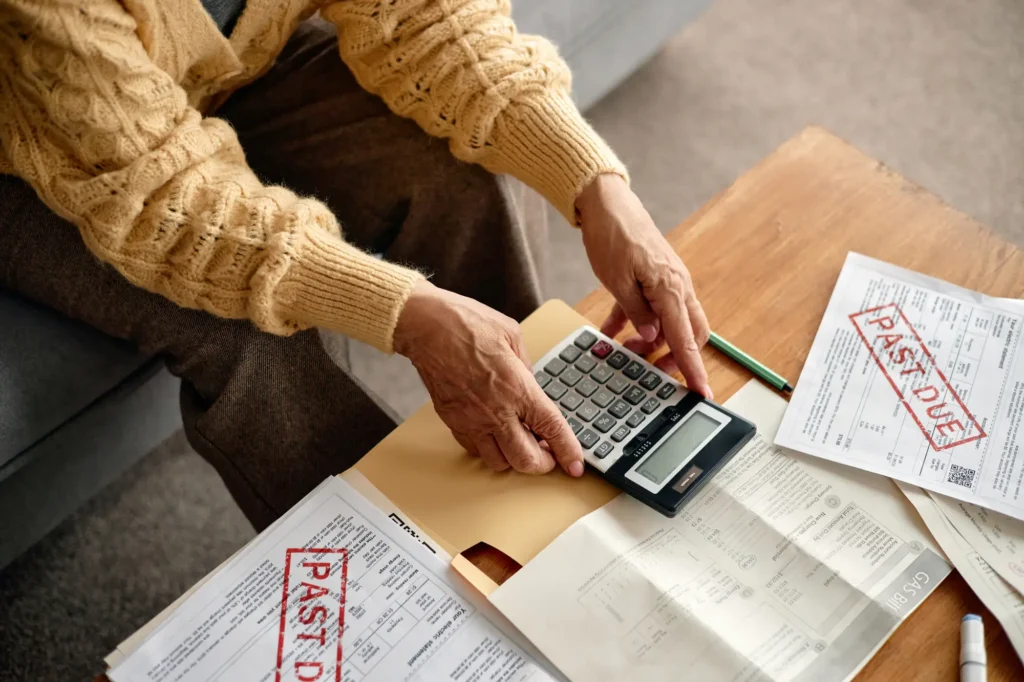
4. Financial Neglect or Struggles
A person’s ability to manage their money responsibly is a strong measure of their overall functional independence.
-
- Unpaid Bills: Notices for overdue bills, risk of utility shut-offs, or messages from debt collectors.
- Complexity Issues: Having trouble managing complex tasks like balancing a checkbook or navigating medical insurance forms.
- Changes in Spending Habits: A formerly frugal parent might start maxing out credit cards on items they don’t need or even particularly want. Former free spenders might start pinching their pennies, refusing to even pay bills.
- Susceptible to Fraud: Older adults are often targeted by thieving opportunists. Be aware of common schemes and scams, as well as any suspicious bank withdrawals or charges to your loved one’s accounts.
5. Loss of Interest in Socializing
-
- Isolation: No longer participating in hobbies or socializing with friends or community groups they once loved.
- Missing Connection: This lack of interest may signal depression or a growing fear of going out, highlighting the need for a change to a community setting where social opportunities are readily available.
How to Assess the Situation and Get Started
When you spot multiple signs that an elderly parent is struggling, the next step is to speak about them with your loved one.
- Start the Conversation with Love: Let your parent know your concern comes from a place of love. Explain that you only want what’s best and safest for them.
- Consult Medical Professionals: If you are concerned about their health, it is essential to accompany them to their doctors appointments.
- Look at the Positives: If it is time for a move, focus on the benefits: more time to socialize, engage in enjoyable hobbies, and the freedom from worrying about home maintenance.
- Risk of Aging in Place: When signs point to danger, professional support is needed. Studies show that roughly 92% of older adults wish to age in place, but a significant portion of those living alone often face higher risks of malnutrition, injury, and social isolation.

Is It Time for Senior Living?
Are you seeing signs that an elderly parent needs assistance staying safe and healthy? Finding a retirement community like Essex Meadows, which offers varying service levels, such as assisted living, rehabilitation, or skilled nursing, is a smart move for older adults who want maximum safety, support, and peace of mind without sacrificing their privacy or independence.
Contact us today to schedule your family’s visit and learn how your parent can thrive again in our assisted living neighborhood in Essex, Connecticut.