
Activities for Seniors with Limited Mobility
November 10, 2025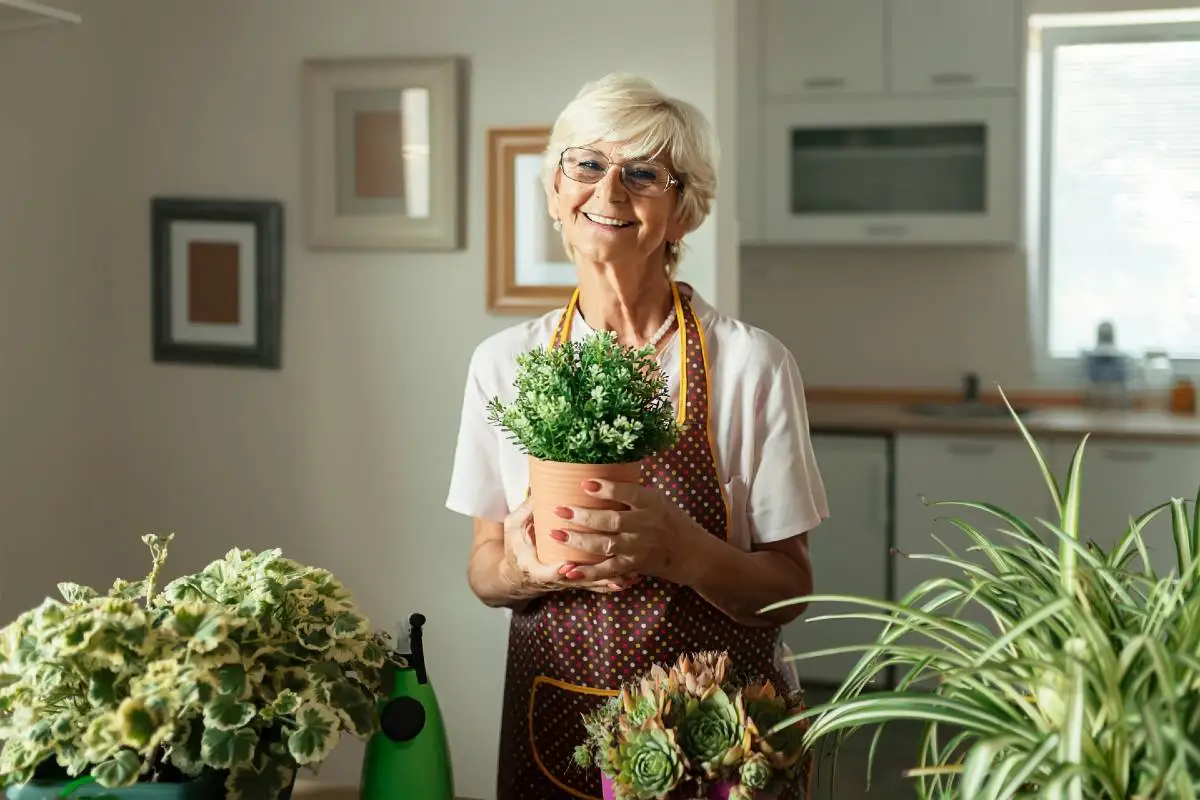
Around 30% of older adults have limited mobility due to conditions such as stroke, arthritis or fall-related injuries. Because mobility is a significant factor in quality of life, it’s important to find new ways for those with limited mobility to stay engaged, have fun, and maintain social connections. Whether you’re looking for activities for bedridden seniors or entertainment for elderly loved ones who use mobility aids, there are countless meaningful ways to spend your time. These activities for seniors can help you or your loved one maintain a sense of purpose while reducing stress and staying mentally sharp.
Physical and Outdoor Activities for Seniors with Limited Mobility
Even with limited mobility, staying physically active is crucial for maintaining strength, flexibility, and overall health. Physical activity doesn’t have to be strenuous to provide health benefits.
Chair Yoga and Gentle Stretches
Exercise for seniors is important to maintain strength and balance. Yoga helps improve flexibility, strength, and concentration. Chair yoga adapts yoga moves for those with limited mobility so they can still benefit from the practice. Gentle stretches and adapted poses can be done seated or standing, using the chair as support. Breathing and meditation techniques are sometimes included as well, helping to keep both body and mind sharp.
Tai Chi (Seated Modifications)
Tai chi is another excellent low-impact option that can be modified for seniors with limited mobility. This ancient practice combines slow, flowing movements with deep breathing and meditation. Many community centers and senior living communities offer seated tai chi classes specifically designed for older adults. The gentle movements help improve balance, reduce joint pain, and promote relaxation.

Outdoor Visits and Fresh Air
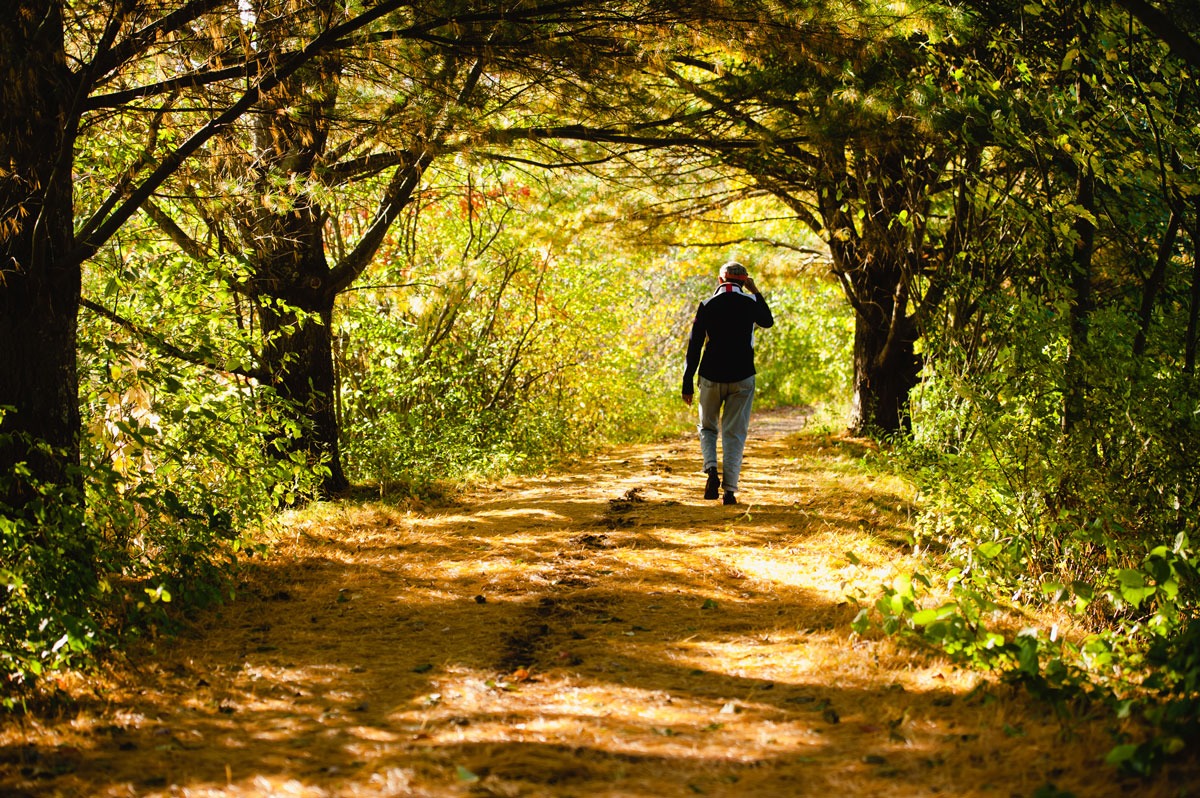
Never underestimate the power of simply being outdoors. Even if walking long distances isn’t possible, spending time outside in a wheelchair, on a porch or in a garden space provides valuable exposure to fresh air and natural sunlight. These outdoor activities for limited mobility can boost mood, provide vitamin D, and offer a change of scenery. Consider bird-watching, enjoying a picnic or simply sitting in nature as ways to stay active and engaged with the world around you.
Mental and Creative Activities
Keeping the mind sharp is just as important as physical activity. Mental stimulation can help maintain cognitive function and provide a deep sense of satisfaction.
Reading and Audiobooks
For those with vision challenges or who tire easily from holding books, audiobooks offer an excellent alternative. Services like Audible, Libby, and local library apps provide access to thousands of titles. Joining a book club—whether in person or virtual—adds a social element that enhances the experience and gives older adults something to look forward to.
Puzzles and Brain Games
Puzzles, crosswords, Sudoku, word searches, and brain-training apps provide excellent mental stimulation. These activities for seniors help maintain cognitive function while offering a sense of accomplishment. Card games like bridge, solitaire, and gin rummy are also wonderful for keeping the mind active. Board games such as Scrabble, chess, and checkers can be enjoyed with friends and family, combining mental exercise with social activities.
Lifelong Learning
Learning new things keeps the brain engaged and provides a sense of purpose. Many organizations offer free or low-cost online courses on virtually any topic imaginable. Platforms like Coursera, edX, and YouTube provide educational content that can be accessed from the comfort of home. Whether learning a new language, exploring history or studying astronomy, there are endless opportunities for intellectual growth.
Arts and Crafts
Creative thinking keeps the mind sharp, and finding some easy crafts for seniors is a good way to do just that. Arts and crafts activities provide both mental stimulation and the satisfaction of creating something tangible. Look into some of these creative options:
- Origami
- Drawing and sketching
- Knitting or crocheting
- Painting (watercolor, acrylic or paint by numbers)
- Quilt making
- Mosaics
- Scrapbooking and photo albums
- Card making
- Embroidery or cross-stitch
- Jewelry making
- Coloring books for adults
It’s also possible to turn these creative efforts into more than just a hobby. Many seniors make blankets and clothing that are donated to local shelters or neonatal units. Artwork can be sold at fundraising bazaars or given as gifts to friends and family, adding meaning and purpose to the creative process.
Hobbies for Seniors That Bring Joy
Finding hobbies for seniors that align with personal interests can transform daily life and provide ongoing engagement.
Music and Musical Instruments
Listening to and playing music involves multiple parts of the brain, which makes music not only good for lifting the spirits but also excellent for intellectual stimulation. Piano, harmonica, ukulele, bongos, and woodwind instruments can all be played while seated. There are online tutorials for learning how to play an instrument, and you can get on-demand lessons via apps like Yousician. Even simply listening to favorite music, attending virtual concerts or exploring new genres can be deeply rewarding.
Indoor Gardening
Gardening is one of the most popular hobbies for seniors, but tending a full outdoor garden might be too difficult for someone with limited mobility. Indoor gardening makes it much easier to maintain a connection with nature and enjoy the therapeutic benefits of working with plants. Growing plants and herbs indoors is accessible and rewarding.
Look for easy-care plants, such as African violet, Chinese evergreen, peace lily, peperomia, golden pothos, English ivy, and spider plant. If the residence has enough direct sunlight, creating an herb garden with rosemary, parsley, thyme, sage, mint, and basil can be grown in pots, adding wonderful aromas to the air and fresh flavor to food. This type of indoor gardening provides a sense of accomplishment and a tangible way to contribute to meal preparation.
Genealogy and Family History
Tracing and documenting family history is an ideal activity for seniors with limited mobility. It’s challenging, interesting, and requires very little physical activity. There are subscription-based databases, such as Ancestry.com and free ones like FamilySearch that hold a treasure trove of information and resources. You can also find workbooks to record genealogy information. DNA tests from Ancestry and 23andMe can connect you to additional information—and may even connect you to family you didn’t know you had. This activity often sparks meaningful conversations with friends and family about shared memories and heritage.
Video Games and Technology
Modern technology has opened up new entertainment for elderly adults. Video games aren’t just for young people—many games are designed specifically for older adults to improve memory, hand-eye coordination, and problem-solving skills. Games like Nintendo’s Brain Age, simple puzzle games, or even classic arcade games can be both fun and beneficial. Tablets and smartphones also offer countless apps for entertainment and learning.
Social and Engaging Activities for Seniors with Limited Mobility
Social connection is vital for emotional well-being and quality of life. Seniors with limited mobility can still enjoy rich social activities that combat isolation and loneliness.
Cooking and Baking
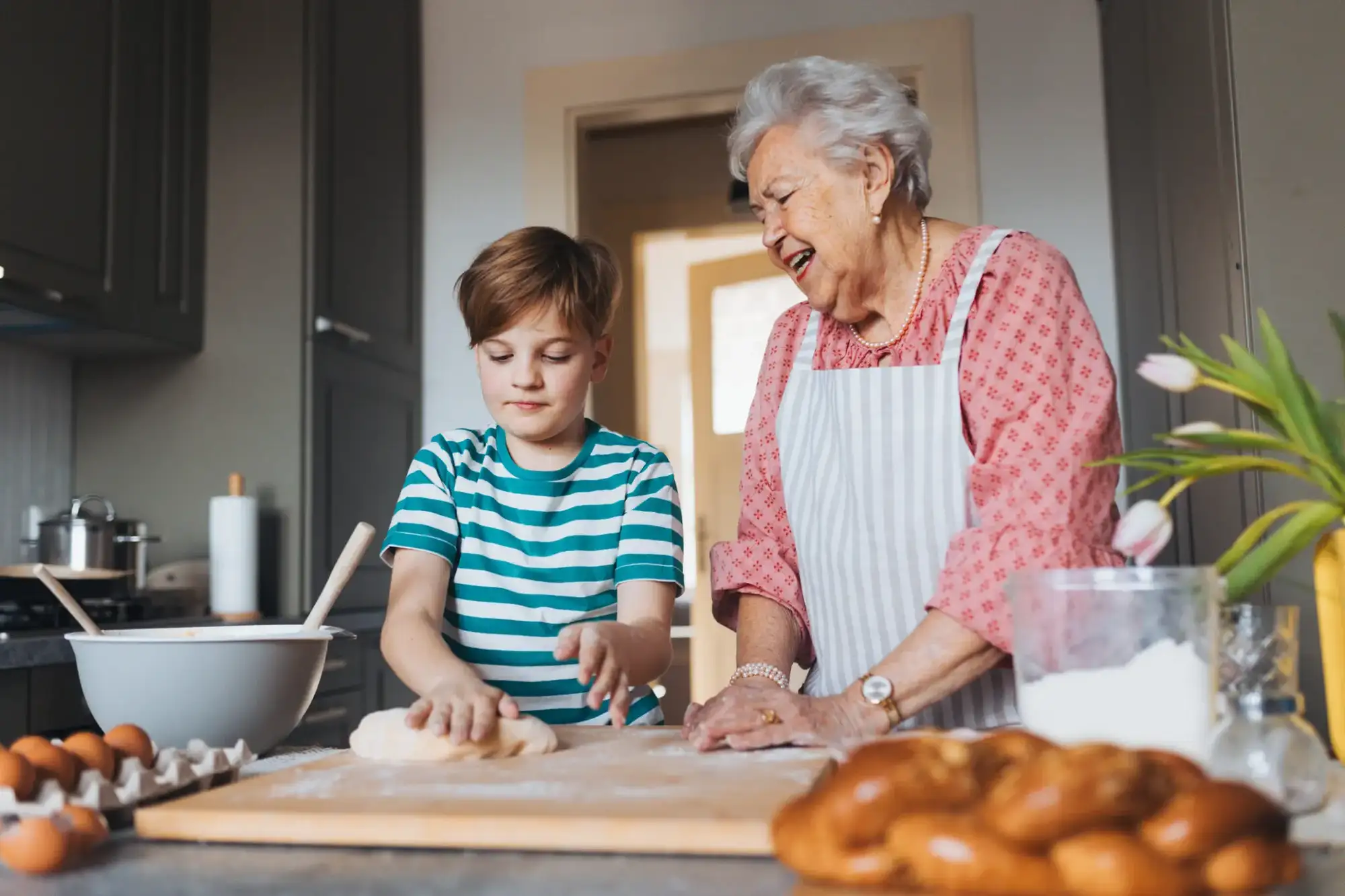
Preparing food can be both a creative outlet and a social activity. Many cooking and baking tasks can be adapted for those seated or with limited mobility. Simple recipes, meal planning or even just providing guidance to others in the kitchen allows seniors to share their knowledge and skills. The delicious results can be shared with friends and family, strengthening bonds and creating opportunities for connection.
Virtual Tours and Online Classes
Technology has made the world more accessible than ever. Virtual tours of museums, national parks, historical sites, and famous landmarks allow older adults to explore places they may never have visited in person. Many institutions offer free virtual tours with rich commentary and high-quality visuals. Online classes in everything from cooking to art history provide structured learning opportunities and often include interactive components where participants can engage with instructors and fellow students.
Intergenerational Activities
Connecting with younger generations provides immense benefits for both seniors and young people. Activities like reading to grandchildren (in person or via video call), teaching a craft or skill, sharing stories, playing games together or helping with homework create meaningful bonds. These intergenerational activities give seniors a strong sense of purpose while allowing them to pass on their wisdom and experience.
Volunteering from Home
Many volunteer opportunities don’t require leaving home or high levels of mobility. Seniors can write letters to soldiers, make phone calls for nonprofit organizations, serve as online mentors, participate in research studies or create handmade items for charitable causes. Volunteering provides a sense of purpose and allows older adults to continue making meaningful contributions to their communities.
Tips for Success with Activities for Seniors with Limited Mobility
Implementing activities successfully requires thoughtful planning and the right approach. Here are some key tips:
Start Small and Build Gradually
Don’t feel pressured to do everything at once. Choose one or two activities for seniors that genuinely interest you or your loved one and start there. As comfort and confidence grow, you can expand to additional hobbies and pursuits. The goal is enjoyment and engagement, not overwhelming yourself with obligations.
Adapt Activities to Individual Abilities
Every person’s mobility limitations are different. What works for one senior may not work for another. Be creative in adapting activities to suit individual needs and abilities. Use assistive devices, modify seating arrangements, adjust time commitments, and don’t be afraid to try new approaches.
Create a Comfortable Environment
Ensure that the space where activities take place is comfortable, well lit, and accessible. Have necessary supplies within easy reach. Consider factors like room temperature, seating comfort, and noise levels. A welcoming environment makes it easier to stay engaged and enjoy the activity.
Encourage Social Participation
Whenever possible, involve friends and family in activities. Social activities are more enjoyable and provide accountability and motivation. Whether it’s a weekly card game session, a group art project, or simply sharing what you’ve been working on, social connections enhance the experience.
Focus on Enjoyment, Not Perfection
The purpose of these activities is to provide enjoyment, stimulation, and engagement—not to achieve perfection. Celebrate effort and participation rather than results. This mindset reduces pressure and makes activities more sustainable long-term.
Maintain Consistency
Try to incorporate activities into a regular routine. Consistency helps create structure and gives older adults things to look forward to. Having scheduled activities provides purpose to each day and helps maintain cognitive and physical function.
Connect with Resources
Take advantage of resources available through senior living communities, local senior centers, libraries, and online platforms. Many organizations offer programs specifically designed for seniors with limited mobility, providing both activities and social connections.
Stay Active at Essex Meadows
One of the advantages of being part of a senior living community is that you can always find ways to stay active and connect with others, no matter what your level of mobility is. From gentle physical activity to creative hobbies for seniors, from social activities to mental stimulation, there are countless ways for older adults to lead fulfilling, engaged lives. These activities for seniors with limited mobility not only provide entertainment but also offer health benefits, reduce stress, and create opportunities for meaningful connections with friends and family.
At Essex Meadows, our health center offers a range of senior health services, programs, and activities designed to meet the diverse needs of our community members. Contact us today to learn about our skilled nursing, rehabilitation, and assisted living options.