
The Habits That Help People Stay Independent Longer
July 2, 2026
Quick Look: Healthy aging tips for seniors are shaped by consistent daily habits that help strength, balance, cognitive function, and overall well-being. Staying active, eating well, maintaining social connections, and staying proactive with health care can help older adults maintain independence and reduce common age-related health risks.
What Helps Seniors Stay Independent as They Age?
Many older adults maintain independence longer by building routines that benefit both physical and emotional health. These habits help reduce the impact of the aging process and lower risks of developing health conditions. They can also encourage long-term wellness and reduce broader health problems that may affect daily functioning.
At Essex Meadows, residents can lead a wellness-focused lifestyle that encourages connection, activity, and daily engagement. Emily Kelly, RN, Director of Resident Health Services at Essex Meadows, notes, “True independence is not just about doing things on your own—it’s about having the support, environment, and opportunities that allow you to keep living life fully and confidently.”
Rather than relying on major lifestyle changes, many older adults find that small, consistent routines—like movement, nutrition, and social interaction—have the greatest long-term impact on independence and quality of life.
Why Healthy Habits Matter More with Age
As people age, the body naturally changes in strength, energy, balance, and recovery time. These shifts can influence mobility and daily independence, making consistent wellness habits more important over time.
Healthy lifestyle routines can support heart health, improve circulation, and help reduce the risk of chronic conditions such as high blood pressure, heart disease, and diabetes. They can also help build confidence in mobility and long-term physical function.
Healthy aging is not about reversing or stopping the aging process—it is about adapting to it in ways that promote continued independence, confidence, and engagement in daily life. These are core principles that shape effective healthy aging tips for seniors, especially when looking at why daily habits matter more over time.
Staying Physically Active Every Day
Regular physical activity is one of the most effective ways for seniors to stay healthy because it results in mobility, strength, and independence.
Key benefits include:
- Improved balance and reduced risk of falling
- Better heart health and circulation
- Weight maintenance
- Increased energy and endurance
- Stronger muscles and joint flexibility
Experts often recommend about 150 minutes (or two and a half hours) of regular physical activity each week to contribute to heart health and overall wellness.
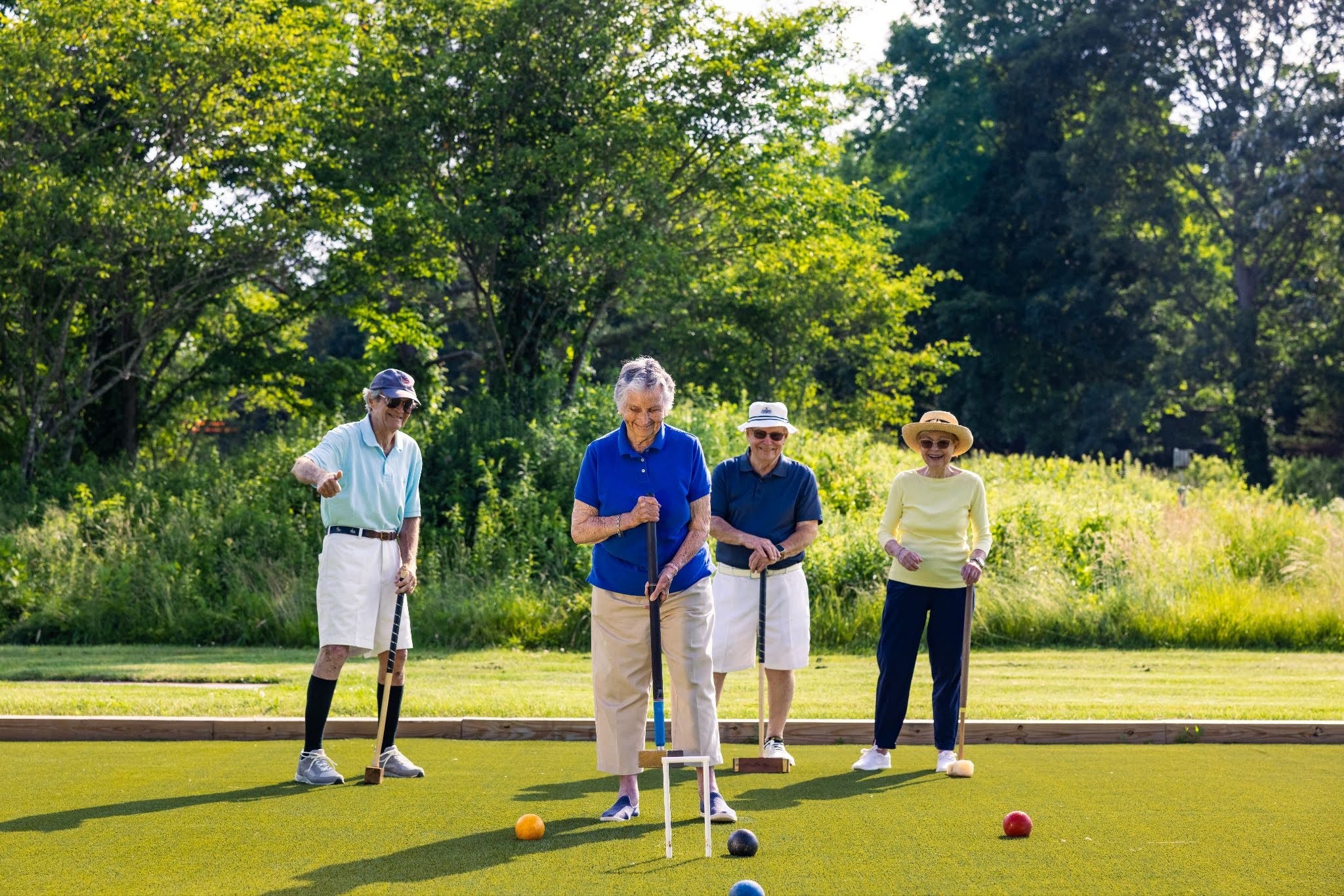
Activities such as walking, light strength training, stretching, group fitness classes, and outdoor recreational pursuits can all be effective. At Essex Meadows, residents have many opportunities to stay active in ways they enjoy, whether that means joining a friendly game of bocce or croquet, spending time golfing, or participating in fitness and wellness programs designed for older adults.
For seniors with limited mobility, adapted movement options can still provide meaningful benefits by supporting strength, flexibility, and overall function in a safe and accessible way. Even moderate movement helps circulation and long-term physical function.
The most important factor is consistency—regular movement is more beneficial than intensity when it comes to healthy aging.
Prioritizing Brain Health and Mental Engagement
Cognitive wellness plays a key role in maintaining independence and quality of life.
Staying mentally active can help memory, focus, and emotional well-being through activities such as:
- Reading and educational learning
- Games, puzzles, and problem-solving activities
- Creative pursuits like art or music
- Exploring new skills or hobbies, like gardening
- Social discussions and group learning experiences
Mental engagement also maintains emotional health by creating a sense of purpose and ongoing curiosity. Many older adults find that retirement provides time to explore new interests that strengthen both cognitive and emotional wellness.
Building Strong Social Connections
Social connection is a major factor in long-term health and independence. Relationships provide emotional support, reduce isolation, and contribute to overall well-being.
Without regular connection, older adults may experience increased stress and negative health outcomes that can affect both physical and emotional health.
Ways to stay socially engaged include:
- Sharing meals with others
- Joining clubs or group activities
- Participating in fitness or hobby programs
- Volunteering or attending community events
- Building friendships with neighbors and peers
At Essex Meadows, social engagement is built into daily life, helping residents maintain connection, purpose, and routine.

Supporting Health Through Nutrition and Preventive Care
Nutrition and preventive care are essential for long-term independence and reducing common health risks.
A healthy diet promotes heart health, immune function, and energy levels while also contributing to maintaining a healthy weight.
Key habits include:
- Eating fruits and vegetables regularly
- Choosing balanced meals with whole foods
- Limiting fat and dairy products
- Staying hydrated
- Attending regular checkups
- Keeping up with preventive screenings
- Managing medications safely
At Essex Meadows, healthy dining options help make it easier to maintain these habits day to day, providing more consistent nutrition and overall well-being as part of a balanced lifestyle.
Creating an Environment That Promotes Healthy Aging
Daily habits are easier to maintain in an environment designed for wellness and independence.
Maintenance-free living can reduce physical and mental stress, freeing time for regular physical activity, social engagement, and personal interests. This helps overall health while reducing daily strain that can impact long-term well-being.
Supportive environments often include:
- Wellness and fitness programming
- Social clubs and group activities
- Healthy dining options
- Safe, accessible surroundings
- Opportunities for learning and engagement
Maintaining independence is less about major lifestyle changes and more about consistent daily habits. Together, these habits encourage physical health, emotional well-being, and overall quality of life.
In a wellness-focused environment, they are easier to sustain, helping older adults stay active, confident, and engaged throughout the aging process.
Experience Healthy Aging at Essex Meadows
At Essex Meadows, residents enjoy a vibrant, wellness-focused lifestyle designed for independence, connection, and overall well-being. Through engaging programs, active living opportunities, and meaningful social experiences, the community empowers older adults to continue thriving with confidence and purpose.
Schedule a visit to discover how Essex Meadows promotes healthy aging and an active, fulfilling lifestyle.